Paar Autonomy Funding: Raises ₹10 Crore to Develop Drones That Can Navigate Without GPS
What's covered
Bengaluru-based defence technology startup Paar Autonomy has raised ₹10 crore in a funding round led by AdvantEdge Founders. The company plans to use the capital to expand production of its AI-powered camera systems and develop technology that allows drones to navigate without relying on GPS.
The funding comes after Paar Autonomy raised ₹3.5 crore in a pre-seed round led by Venture Catalysts in September 2025. The latest investment will support its work on technologies for unmanned defence systems.
What Does Paar Autonomy Do?
Founded in June 2024 by robotics engineer Vignesh Sivaram Jayaraman, Paar Autonomy develops camera systems and artificial intelligence software that help drones and other unmanned vehicles understand their surroundings.
A conventional drone relies on several technologies to operate, including cameras, sensors, GPS and communication systems. While cameras capture images, the drone also needs software to interpret those images and make decisions.
Paar Autonomy focuses on this combination of sensing hardware and intelligent software, often called a perception system. Its products include multi-sensor, gyro-stabilised gimbal cameras that can maintain a steady view even when the vehicle carrying them is moving.
These cameras work alongside AI models designed to identify objects, interpret surroundings and assist unmanned vehicles in carrying out operations. The startup is developing solutions for aerial drones, ground robots and unmanned maritime vehicles, with potential applications in defence, policing and industrial inspection.
Why Is GPS-Free Drone Navigation Important?
GPS plays an important role in helping drones determine their location and navigate. However, relying entirely on satellite navigation can become a weakness, particularly in military environments.
GPS signals can be jammed, disrupted or manipulated, making it difficult for a drone to determine its position accurately. Communication links between drones and their operators can also be interrupted during operations.
This creates demand for systems that can continue functioning even when external navigation or communication signals become unreliable.
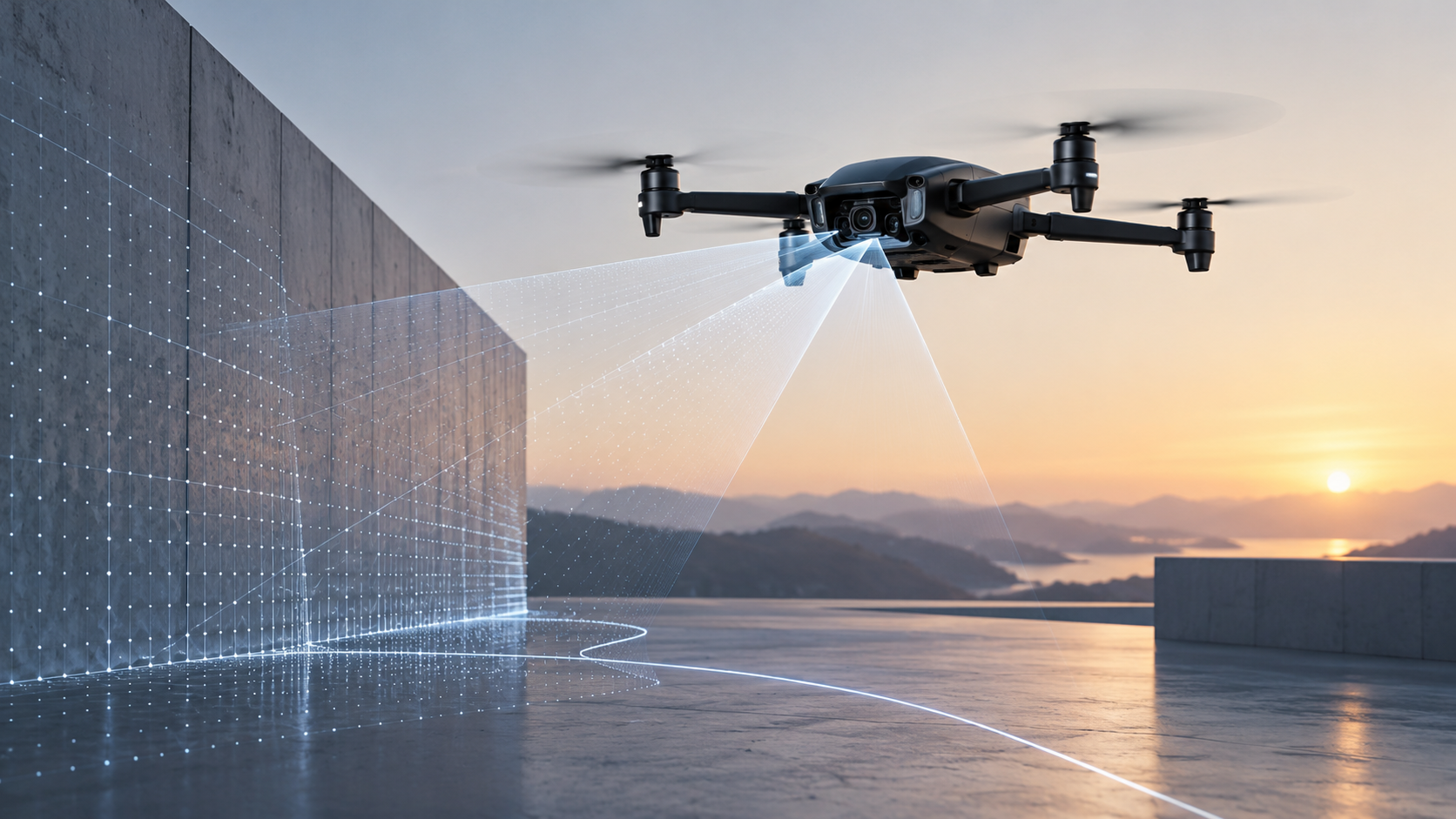
Paar Autonomy is developing technology that uses cameras, sensors and AI software to help unmanned vehicles interpret their surroundings and navigate under such conditions. Rather than depending solely on GPS coordinates, a drone equipped with advanced perception technology can potentially use visual information and other sensor inputs to support navigation and decision-making.
Such capabilities are particularly relevant for military surveillance, reconnaissance and operations in environments where satellite navigation cannot be guaranteed. However, developing GPS-independent navigation technology does not automatically mean a drone can operate reliably in every environment. Its effectiveness depends on sensor quality, processing capabilities, visibility and real-world testing.
How Will Paar Autonomy Use the ₹10 Crore Funding?
The latest investment will primarily support two areas: increasing production of the company's AI-powered camera systems and advancing its GPS-independent navigation technology.
Expanding production is important because developing specialised defence hardware requires more than building a working prototype. Products must also be manufactured consistently, tested under demanding conditions and integrated with different unmanned platforms.
The investment could help Paar Autonomy move towards supplying its systems to more defence equipment manufacturers and institutional customers.
Developing GPS-independent navigation requires combining advanced sensors with software capable of processing information and supporting decisions in real time. The company is also working towards reducing dependence on imported components and technology used in specialised unmanned systems.
Paar Autonomy's Previous Funding
Paar Autonomy previously raised ₹3.5 crore in a pre-seed funding round led by Venture Catalysts in September 2025.
That investment was intended to help the startup establish its first manufacturing line, deliver pilot units to defence and public-sector customers, and expand its engineering and business development teams.
The company also outlined plans to work with defence organisations, public-sector undertakings and international original equipment manufacturers. Its proposed offerings included complete camera payload systems as well as AI software that could be integrated into existing unmanned vehicles.
Before the pre-seed investment, Paar Autonomy had also secured angel backing from experienced participants in India's drone industry, although the amount was not publicly disclosed.
Including the latest ₹10 crore round, the company has raised at least ₹13.5 crore across its two disclosed institutional funding rounds, excluding the earlier angel investment.
What the Funding Means for Paar Autonomy
Paar Autonomy is operating in a specialised part of the defence technology industry. Rather than manufacturing complete drones, its focus is on developing the camera systems and software that help unmanned vehicles see, interpret information and operate with greater autonomy.
This approach could allow the company to supply technology to multiple drone and robotics manufacturers without necessarily competing with them in the market for complete vehicles.
Its products may also have applications outside defence. Similar camera and perception systems can support infrastructure inspections, industrial monitoring and unmanned operations in environments that are difficult or dangerous for human workers.
However, turning these opportunities into a sustainable business will depend on how effectively Paar Autonomy can manufacture its products, demonstrate reliability and secure commercial orders.
The ₹10 crore investment provides additional capital for this transition. The more important development to watch will be whether the startup can convert its technology and pilot projects into repeatable production and customer deployments.